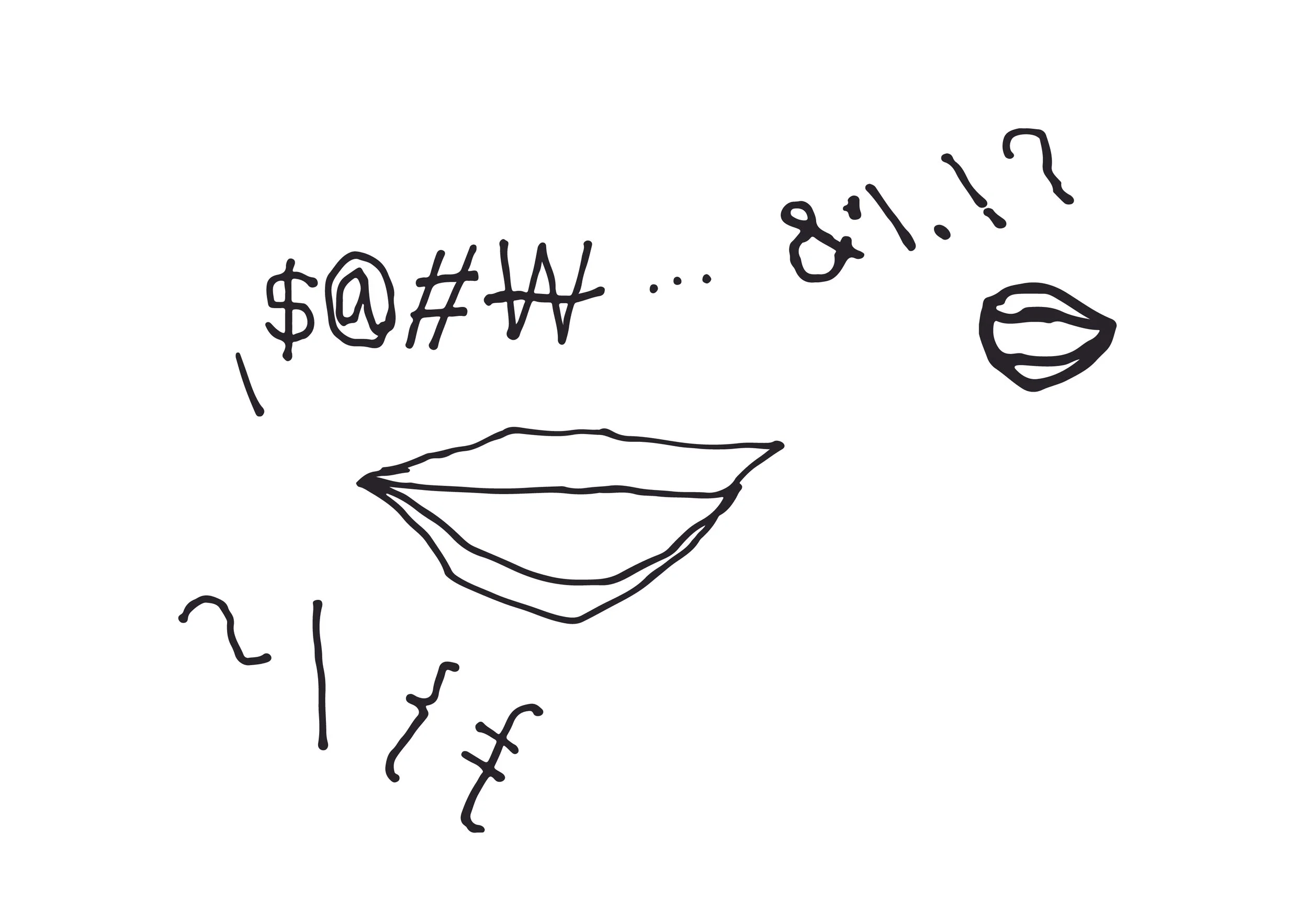
송지은 : 나는 몰라…뭐가 답답한지 모르겠어…근데 나도 계속 설명하는데 내 말을 못알아 들으니까, 답답해.
Q레이터 : 응…어… 이게 참…
Jee Song: I don’t know… I don’t know what feels frustrating… but I keep explaining, and you still can’t understand what I’m saying, so I feel frustrated.
Qrator: Yeah… uh… this is really…
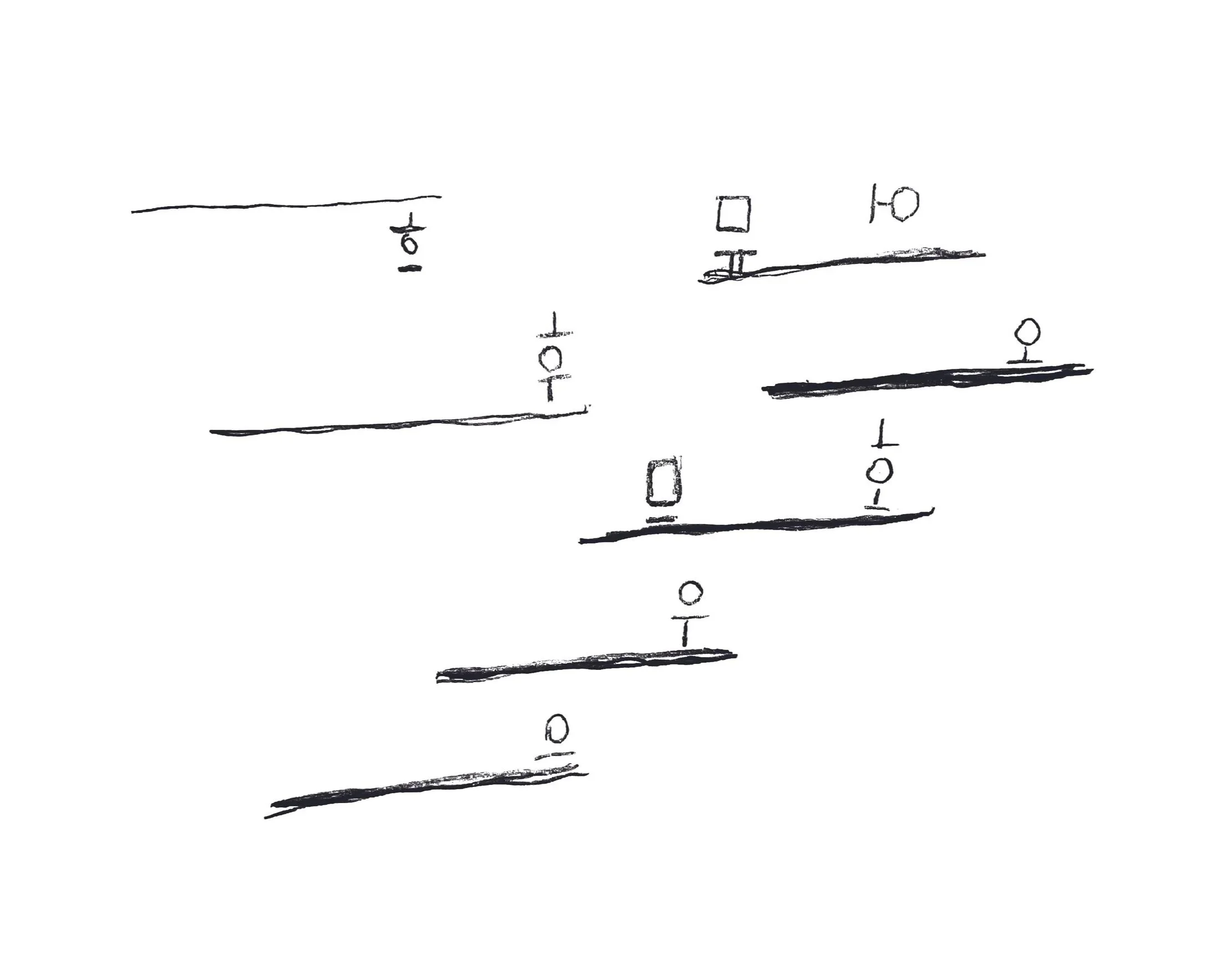
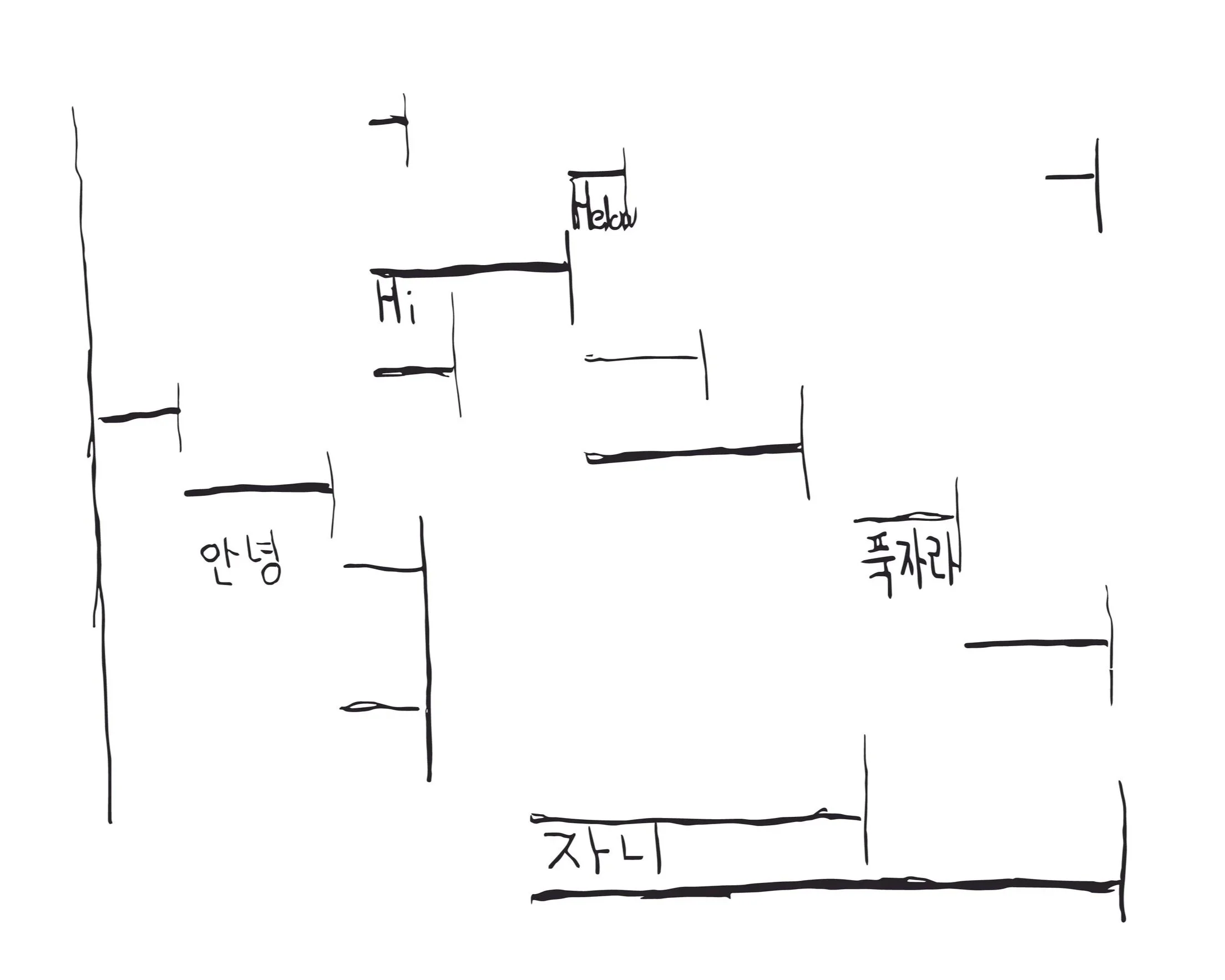
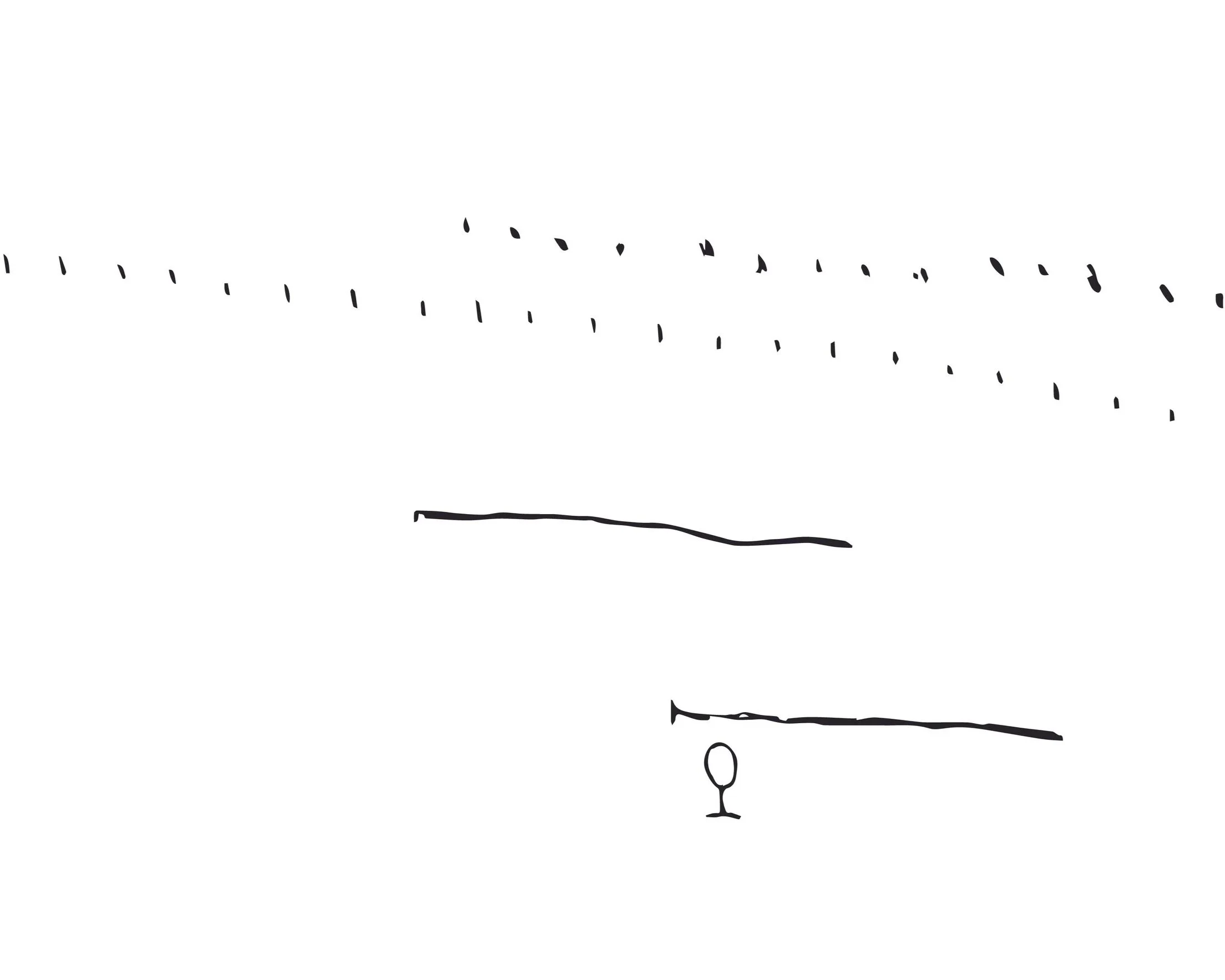
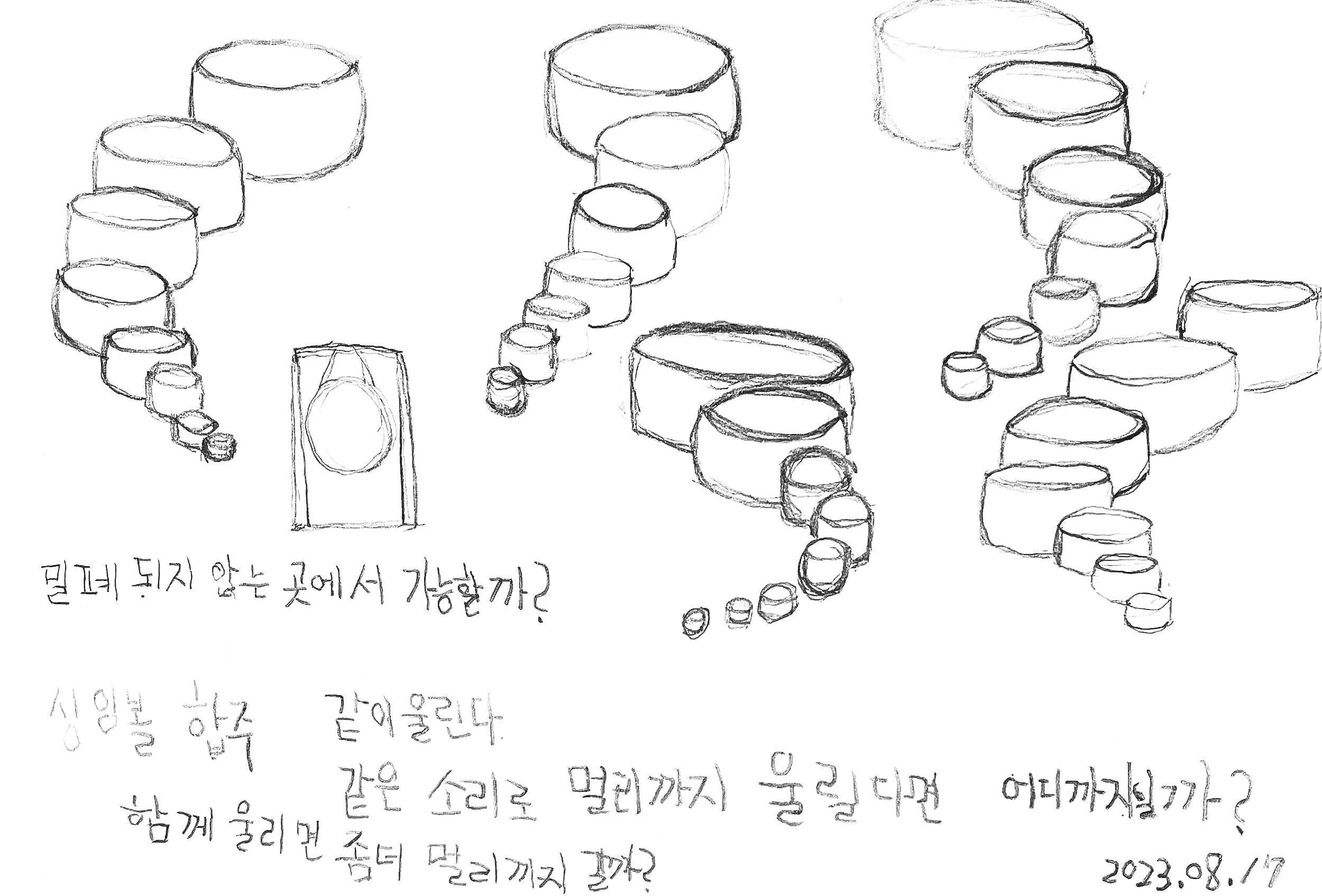
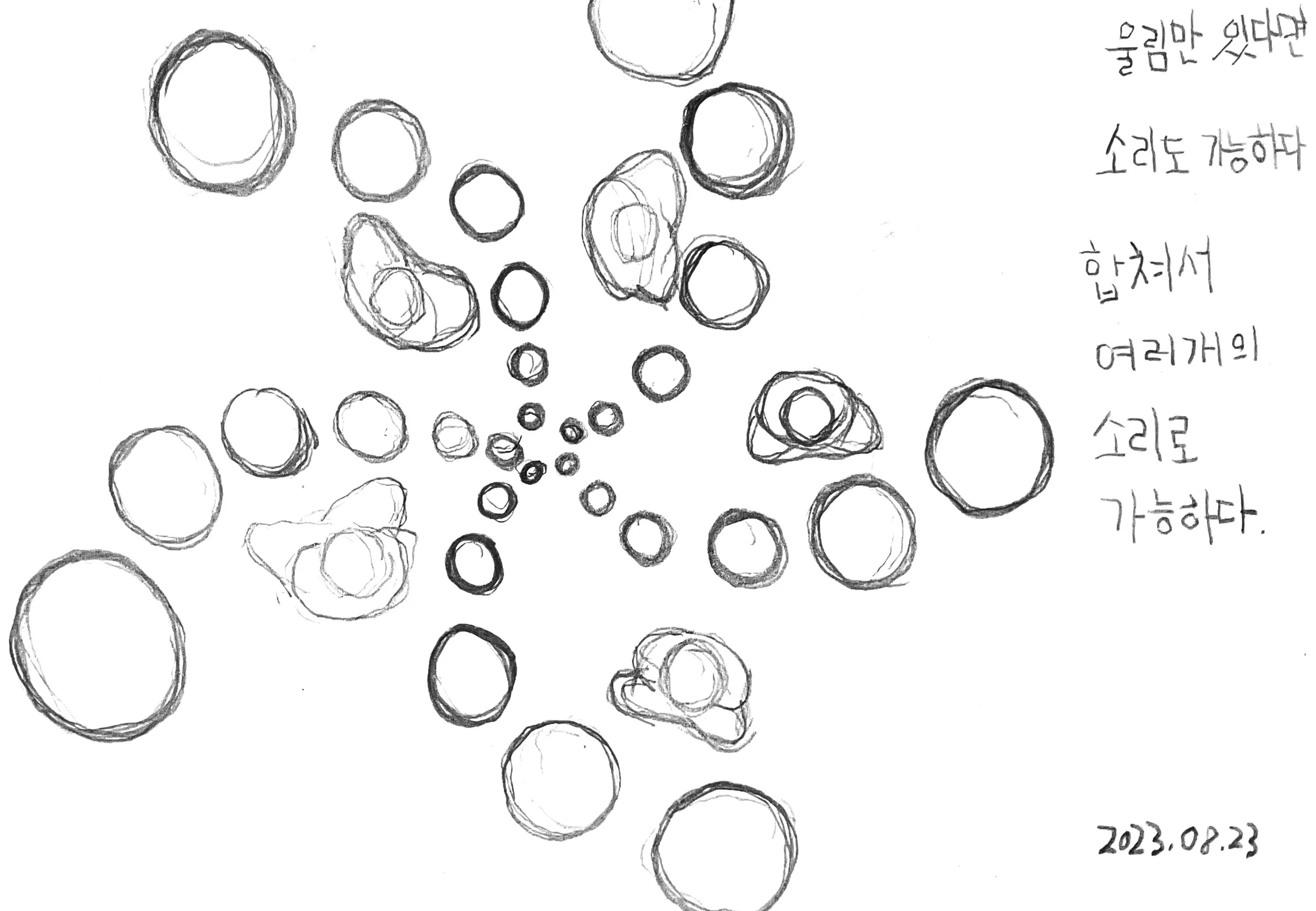
라움콘 《울림만 있다면》 2023, 악보 드로잉, pencil on paper,       29.7 x 21cm

laumkon 《If Only There is  Resonance》 2023, Score drawing, pencil on paper, 29.7 x 21cm
라움콘 《울림만 있다면》 2023, 사운드 퍼포먼스, 30분
laumkon 《If Only There is Resonance》 2023, Performance, 30mins 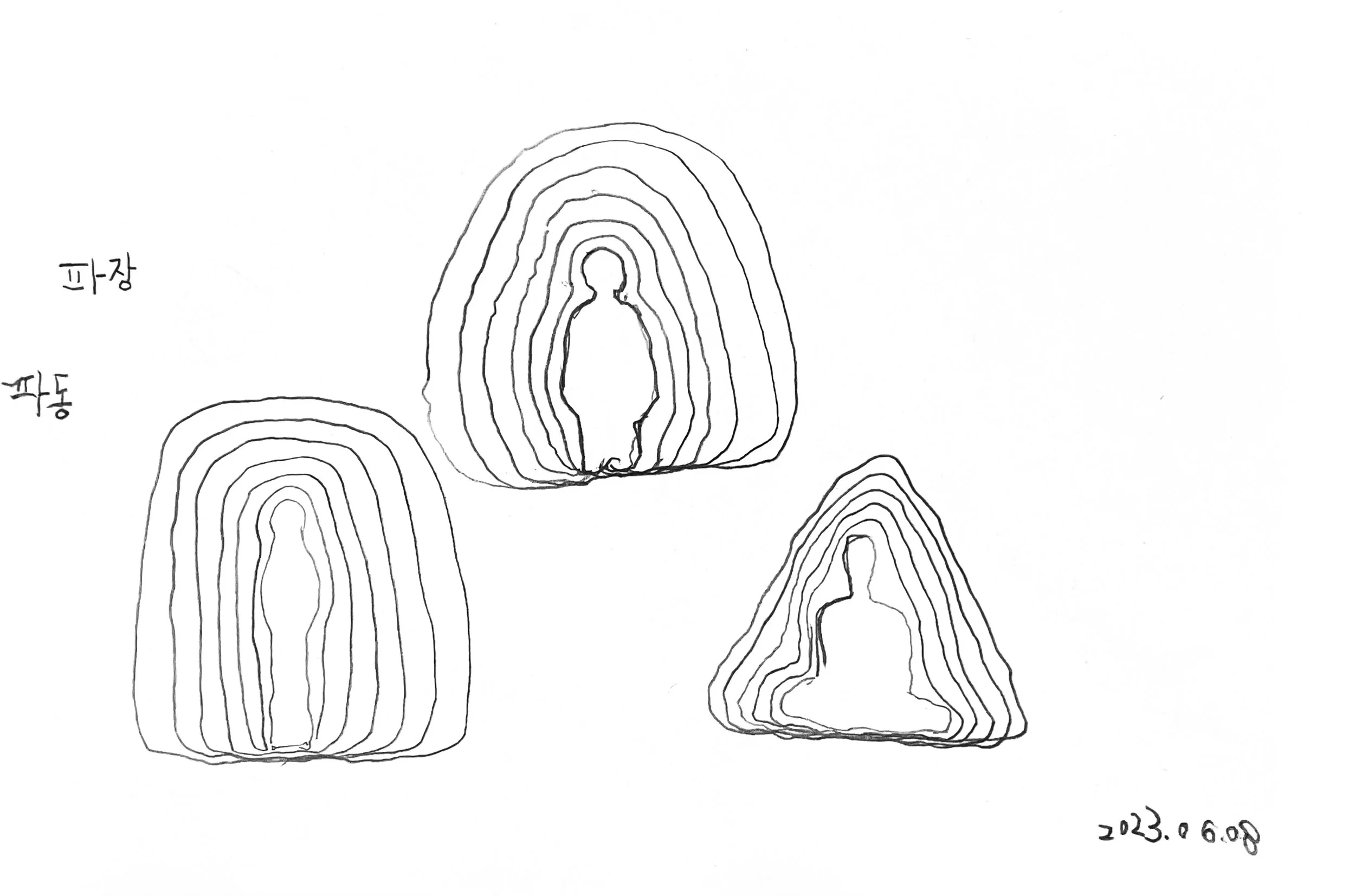
Q레이터 : 그 일종의 그 예를 들어 클래식으로 하자, 그럼 클래식 원 투 쓰리 세븐 어…좀 작 좀 현상하고는 조금 멀지만 어…어…좀… 그렇게 해서 원래 그러니까 이렇게 하고 넘어가야지 된다, 난 그런 생각을 하고 있어
송지은 : 클래식처럼 한다?
Q레이터 : 아 뭐 클래식이든 아니면
송지은 : 그러면은 클래식처럼 들리는 거야? 응? 클래식처럼 들리는 거야? 클래식은 어떤 흐름이 있잖아
Q레이터 : 흐름을 만들어 근데…막…여기 이렇게 이렇게 여기 이렇게 이거 막…많은
송지은 : 소리들이 언어? 언어? 언어? 언어?
Q레이터 : 난 못 알아들어
송지은 : 들릴 때는 어떻게 들려? 많은 언어들이. 언어들이 못 알아들을 땐? 그냥 이해가 안 되는 거 아니면 어떤 특이한 소리로 들려? 예를 들어 그냥 이렇게 말할 때는 이해를 하잖아, 근데 내가 이렇게 빨리 말하면 알아들어 못 알아들었잖아. 빨리 말했을 때는 그냥 그냥 들리는데 그냥 무슨 말인지를 모르는 거야? 들리는데 무슨 말인지 모르는 거야? 위이이이잉 이렇게 들려?
Q레이터 : 아…처음엔 막…막…막…무슨 얘기인지 잘 몰라. 근데 어..아?아? 그래, 그러면 이거 참 어렵다.
Qrator: It’s kind of like, for example, if we say classical… then classical one two three seven… uh… it’s not exactly the same phenomenon, but uh… uh… kind of… like that… so originally you’re supposed to do it like this and move on. That’s how I think about it.
Jee Song: Do it like classical?
Qrator: Well, classical or…
Jee Song: Then does it sound like classical? Hm? Does it sound like classical? Classical has a certain flow, you know.
Qrator: You make a flow, but… it’s like… here like this, like this here, like this… just… many…
Jee Song: Sounds? Language? Language? Language? Language?
Qrator: I can’t understand.
Jee Song: When you hear it, how does it sound? All those languages. When you can’t understand them? Is it just that you don’t understand, or does it sound like some strange noise? For example, when I talk normally you understand, right? But when I speak fast you couldn’t understand. When it’s fast, do you just hear it but don’t know what it means? You hear it but don’t know the meaning? Does it sound like wiiiiiiing?
Qrator: Ah… at first it’s like… like… like… I don’t really know what it’s about. But then… ah? ah? Right… then this is really difficult.

라움콘 《울림만 있다면》 2024, 전시 전경laumkon 《If Only There is Resonance》 2024, installation view
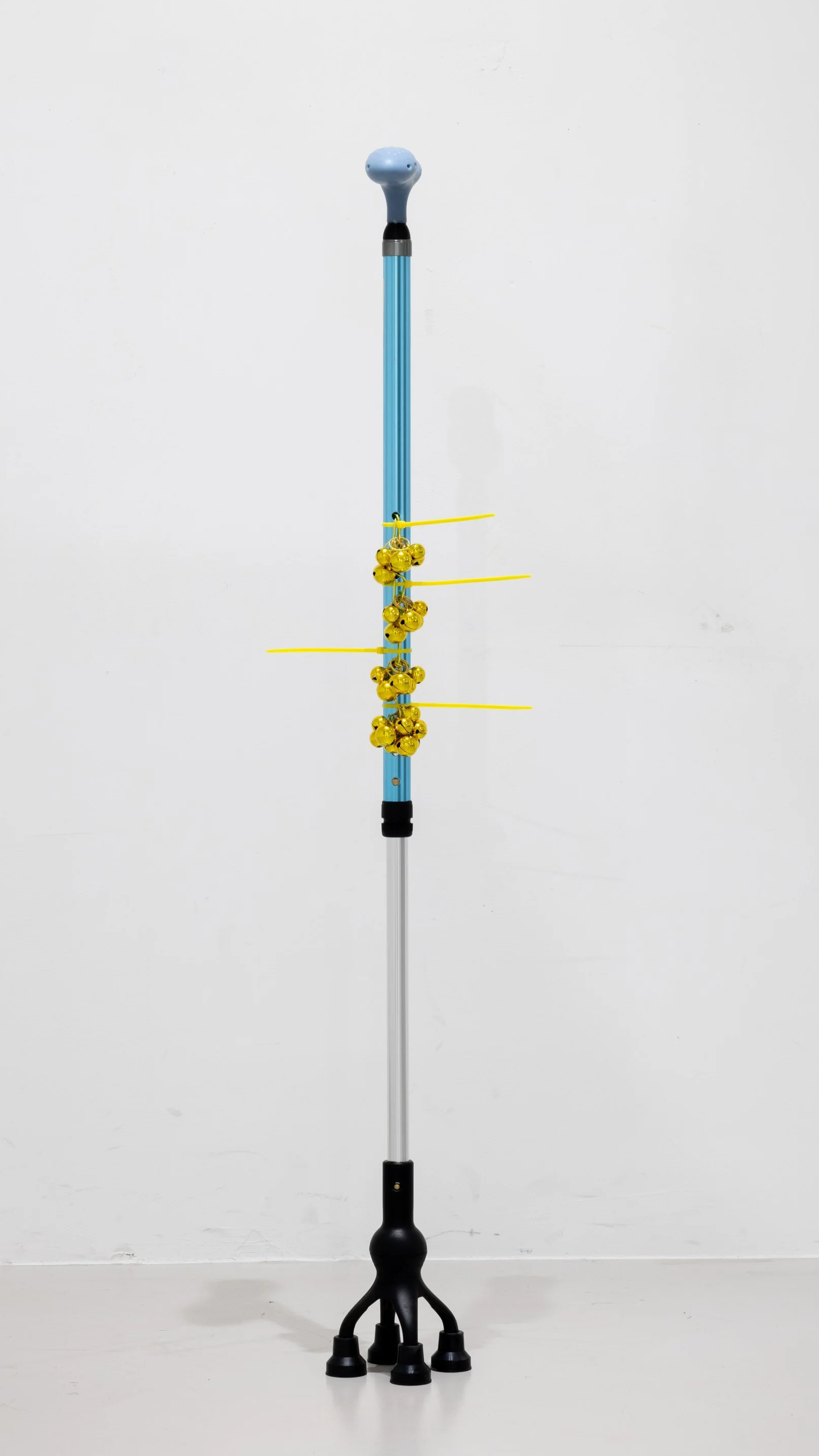
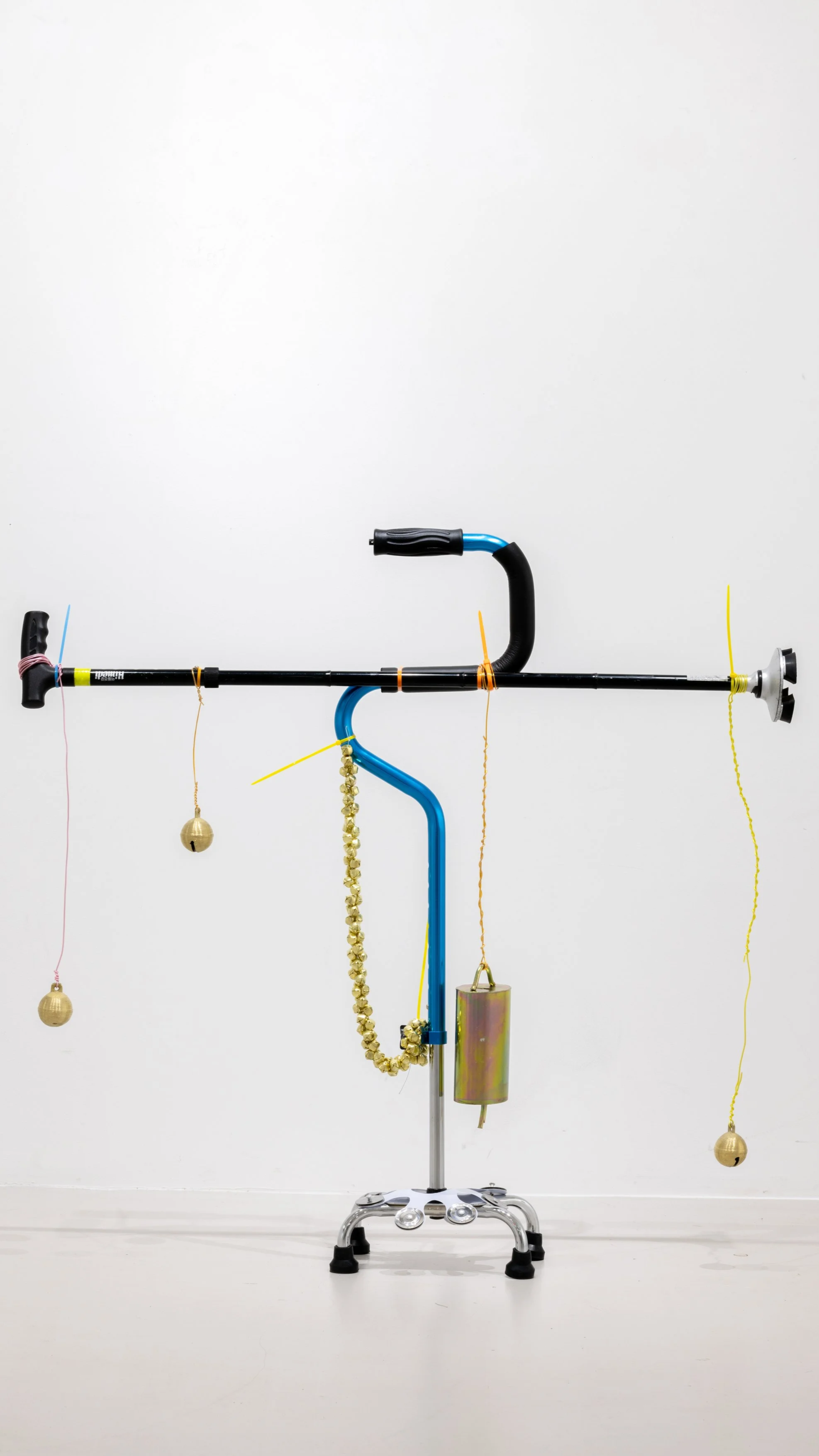
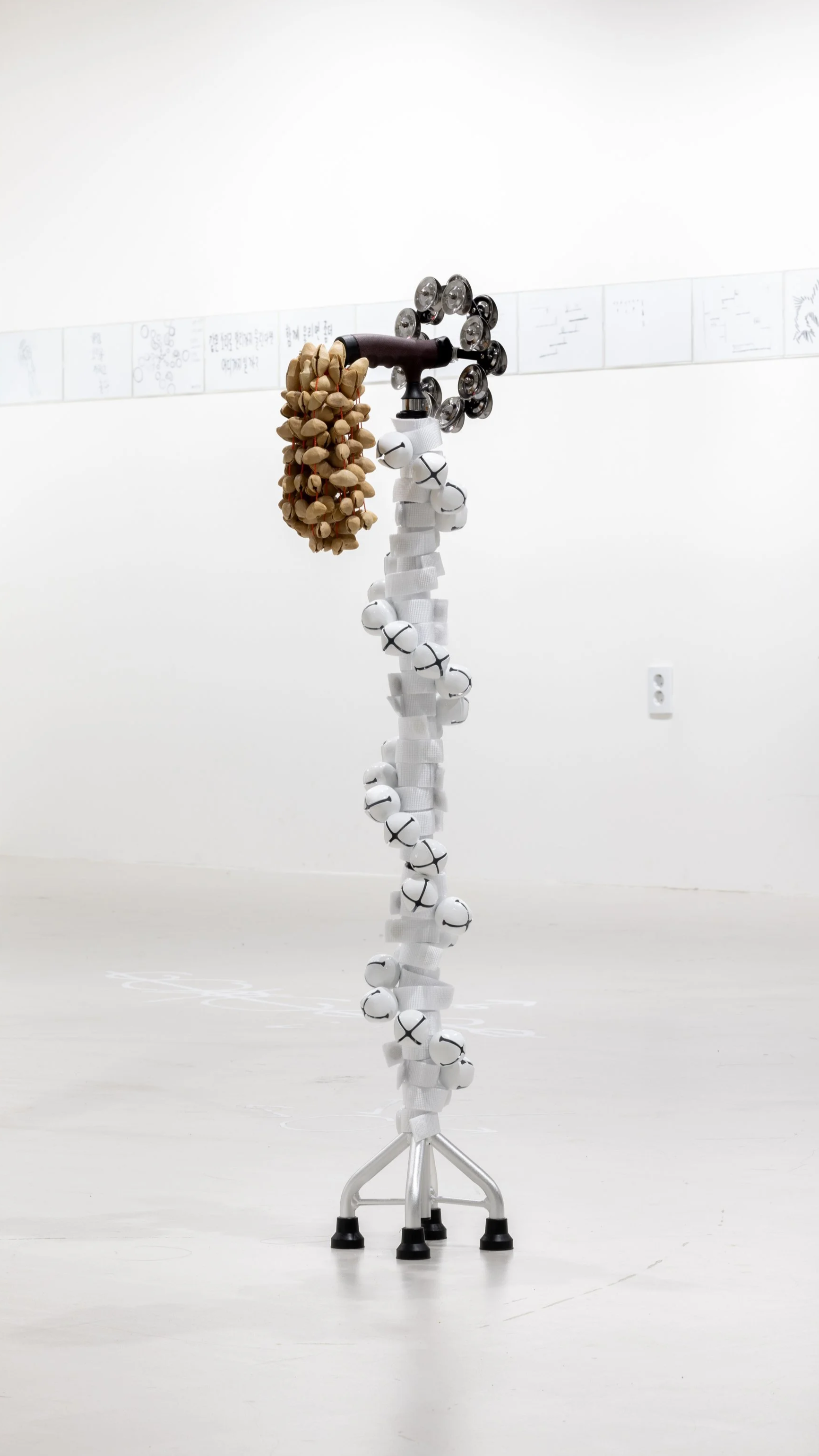
라움콘 《울림만 있다면》 2024, 네발 지팡이, 지팡이, 장식용 종, 가축용 종, 테이블 종, 카우벨, 곰 퇴치용 방울, 넛츠 악기, 곰 퇴치용 방울, 드럼용 탬버린심벌 시즐러 체인, 스피커 지지대, 철 수세미, 케이블타이, 철사, 가변설치
laumkon 《If Only There is Resonance》2024, four-lagegged cane, walking stick, decoration bell, animal bell, table bell, cow bell, animal protect bell, nuts instruments, drum tambourine sizzler chain, speaker stand, metal loofah, cable ties, colour wire, variable installation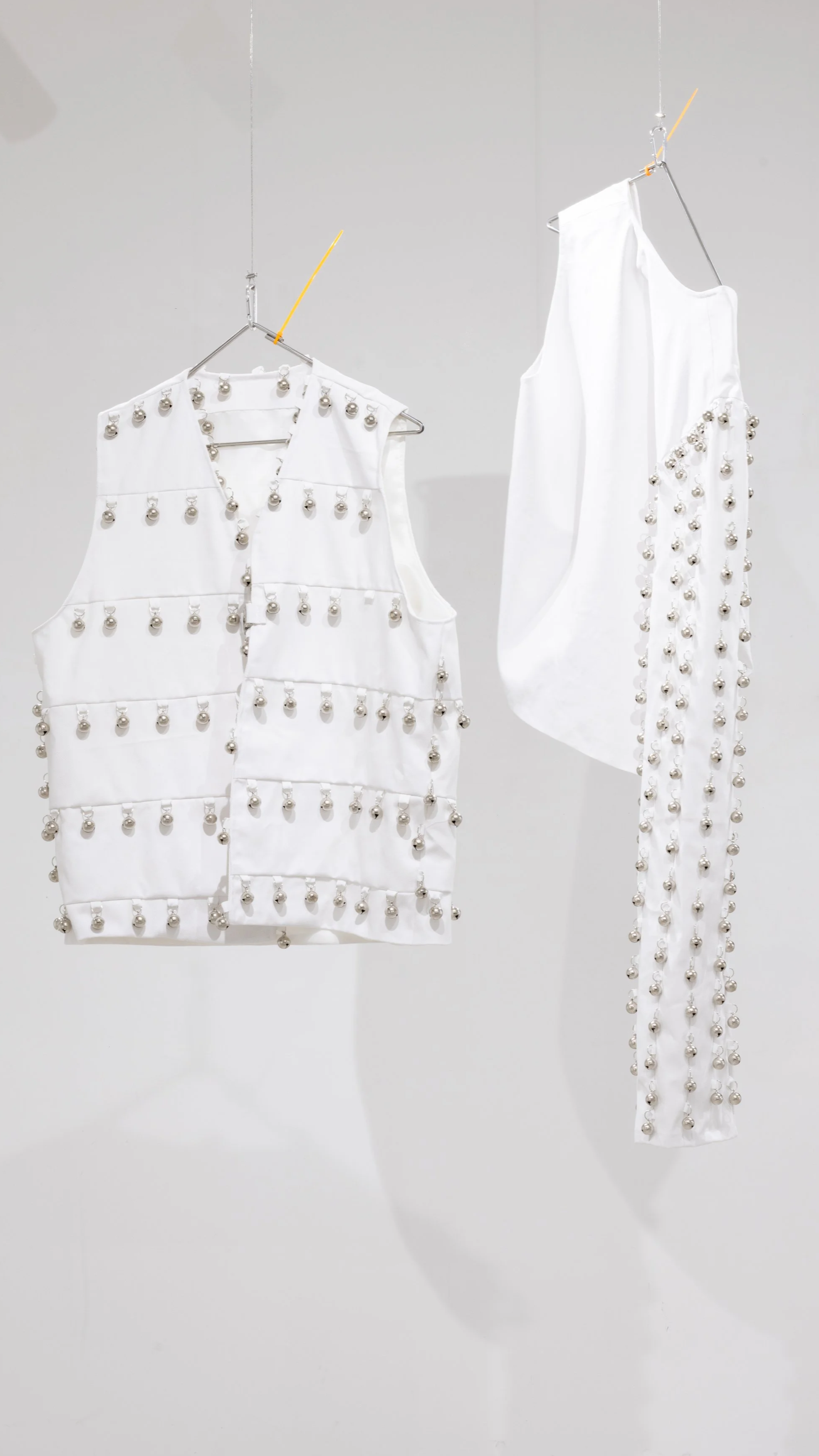
라움콘 《울림만 있다면》 2024, 악기 옷, 흰 천, 방울, 고리, 실 조끼 60cm x 96cm x 0.5cm자켓 60cm x 96cm x 0.5cm (오른쪽 소매 100cm)laumkon 《If Only There is Resonance》 2024,
instrument clothes, white fabric, bell, ring, linevest 60cm x 96cm x 0.5cmjacket 60cm x 96cm x 0.5cm (right sleeve 100cm)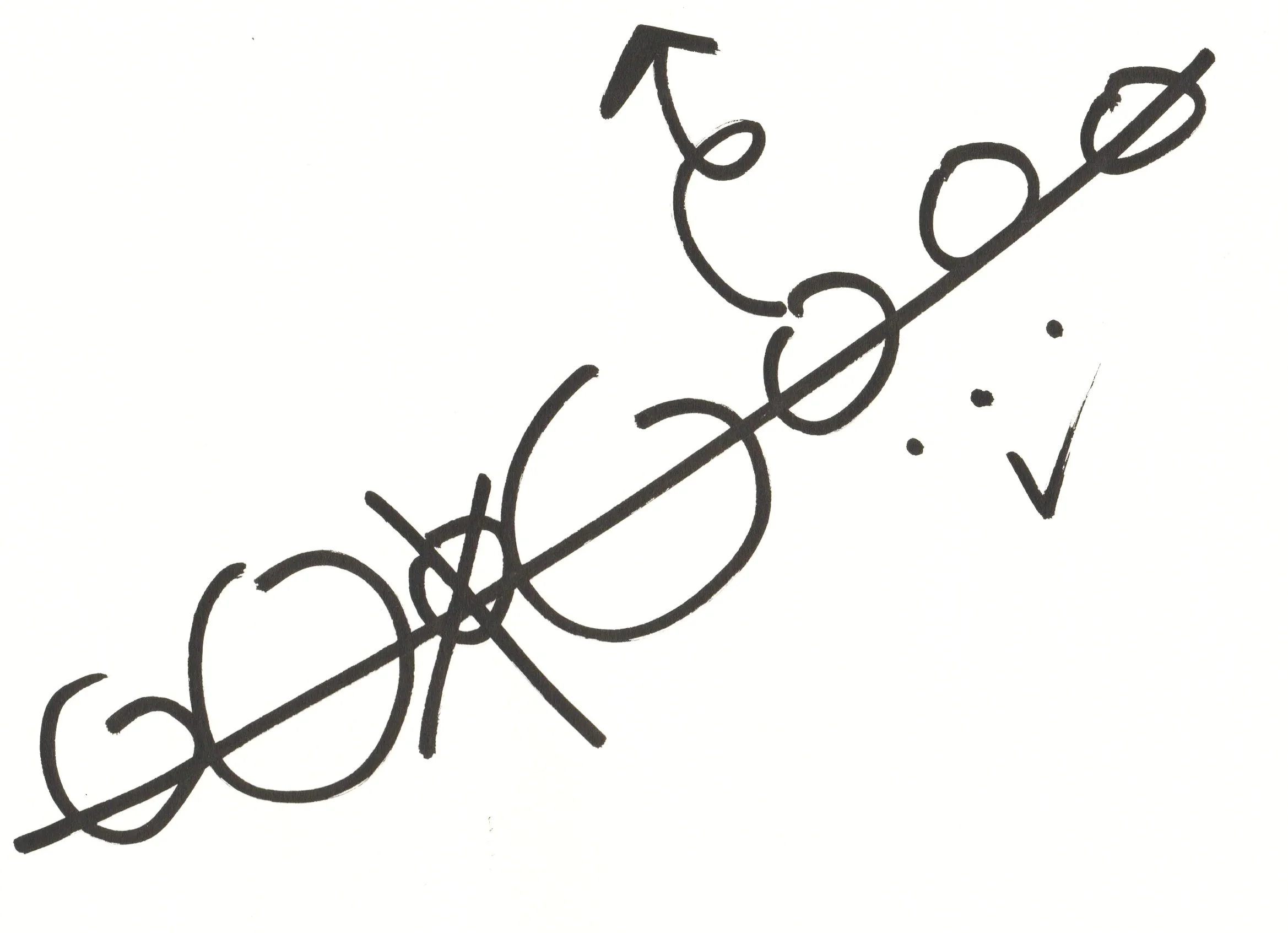
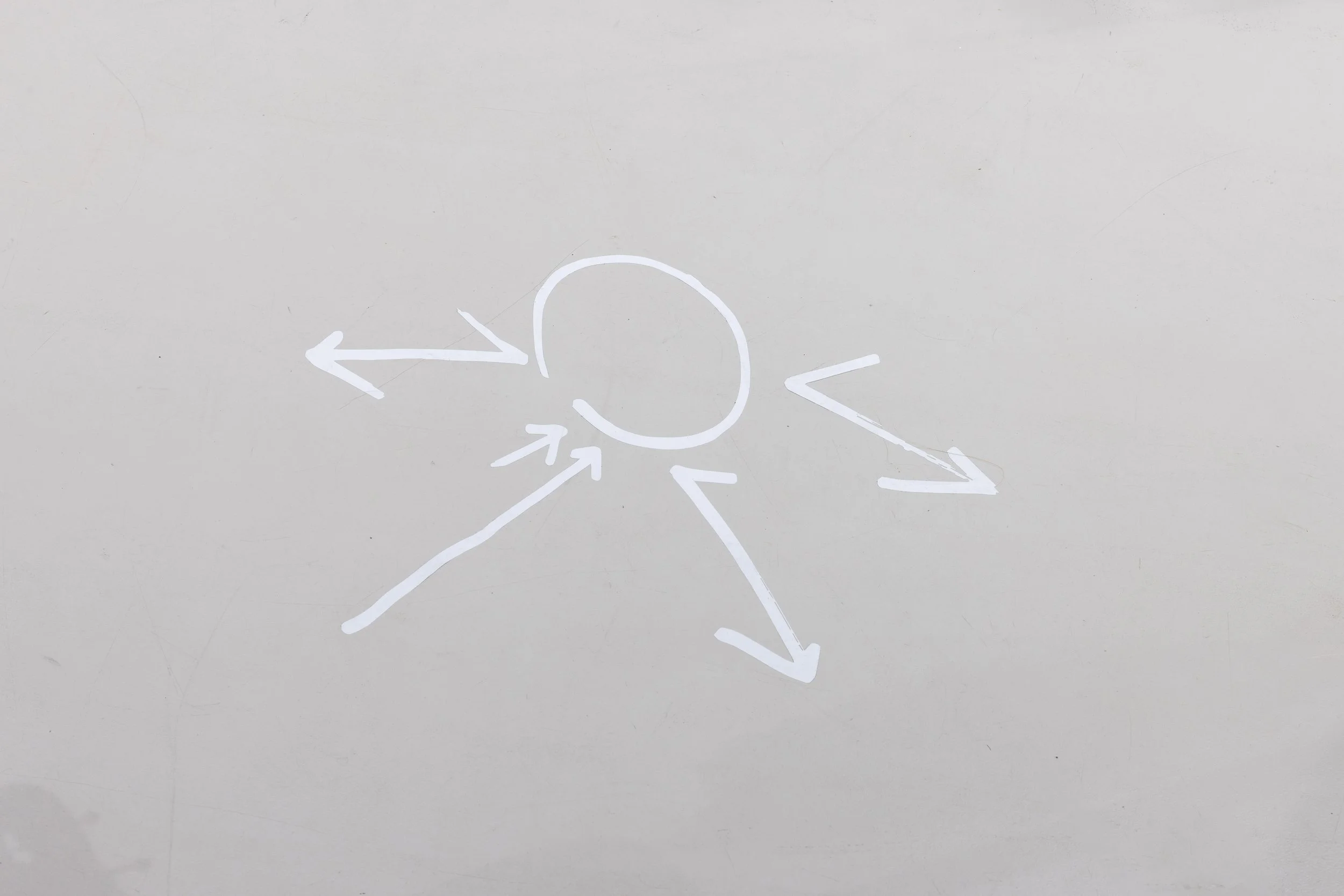
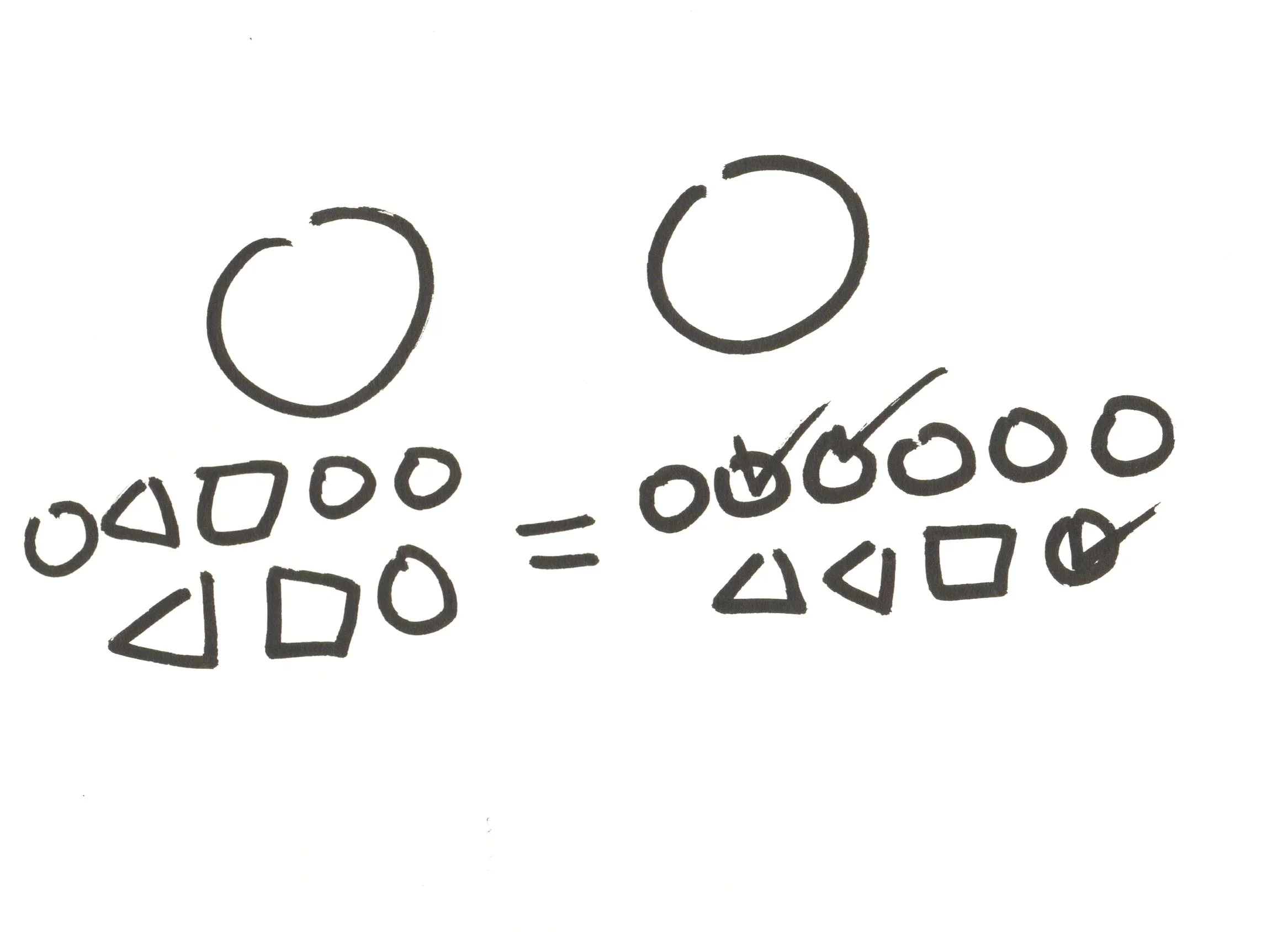
라움콘 《울림만 있다면》2024, 드로잉, 가변 사이즈
laumkon 《If Only There is Resonance》 2024, Communication drawing, variable size
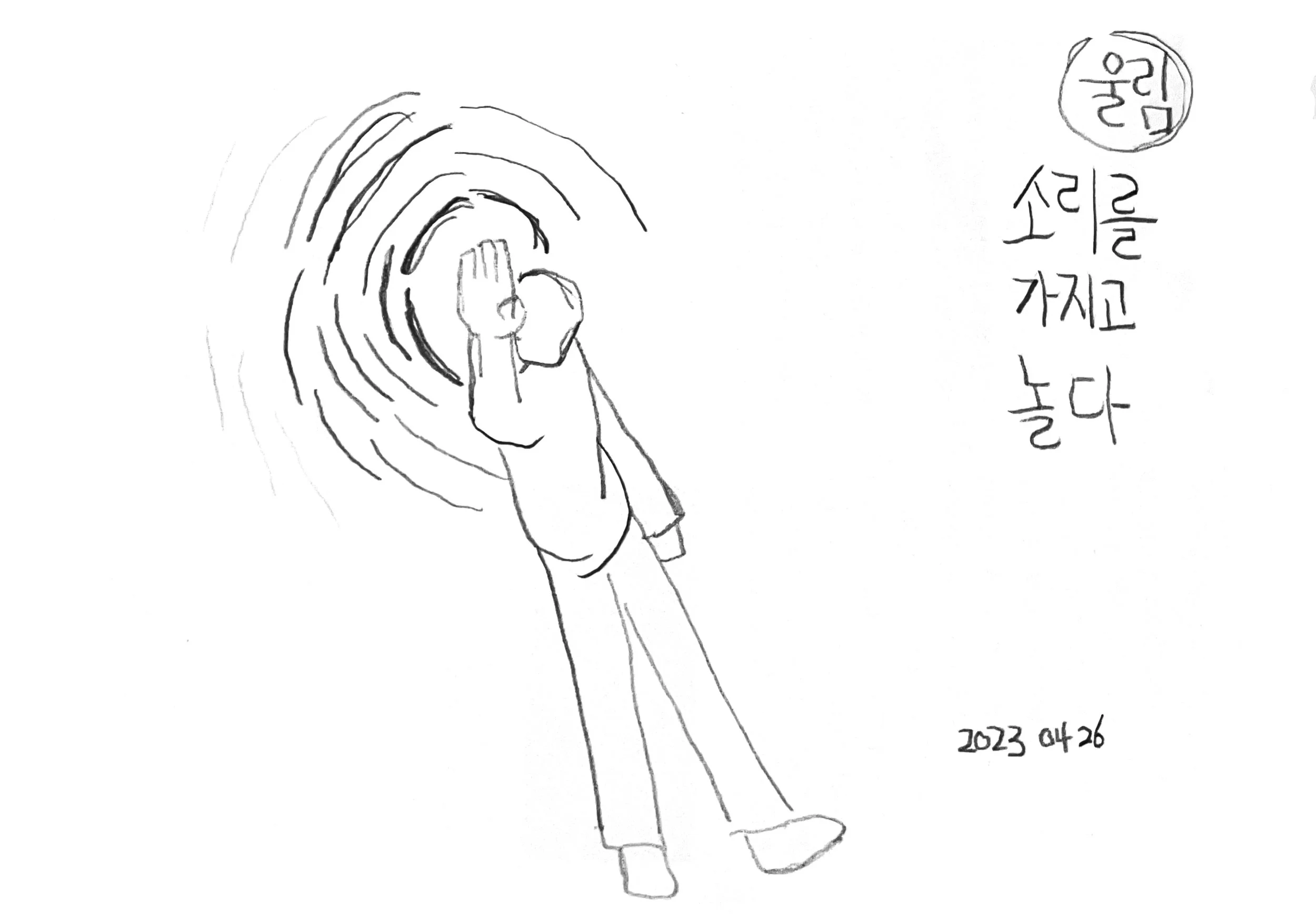
라움콘 《울림만 있다면》 2023, 드로잉, pencil on paper, 29.7 x 21cm
laumkon 《If Only There is Resonance》 2023-2024, Score drawing, pencil on paper, 29.7 x 21cm라움콘 《울림만 있다면》 2024, 사운드 퍼포먼스, 18분laumkon 《If Only There is Resonance》 2024, Performance, 18mins
울림만 있다면, 라움콘
왼쪽 뇌 측두부 출혈로 언어-장애를 갖게 된 라움콘 Q레이터는 귀로 들리는 언어가 뭉쳐져서 이해할 수 없다고 한다. 그의 표현을 따르면 웅얼거림, 웅웅거리는 것 같는 들림이라고 한다. 마치 언어가 소리처럼 들리는 언어-장애는 감각 언어 손상, *베르니케 실어증 Wernicke's aphasia이라 불리운다. 베르니케는 언어를 말하고 읽는 것보다 듣는 것에 어려움을 느끼고 때론 신조어를 만들어 말한다. 라움콘이 양치질을 뜻하는 것처럼 말이다. 이러한 언어의 혼란은 일상의 축소를 가져왔다. 마비된 신체처럼 언어는 일상에서 사회적 결합을 마비시켰고 사회는 느린 속도의 언어 이해를 배려하기 보단 고립시키는 방식을 선호했다. 대화에서 주도권과 당사자성은 자연스레 타자에게 양도되고 부재, 불편함, 불가능이란 복합적 이유로 타인의 번역으로 말의 의미나 뜻을 통역 받는다. 이렇게 대화에서 밀려나는 상황, 누구도 이해하지 못하는 신조어로 말한다는 것, 이해할 수 없기 때문에 주목을 받기도 하고 무시되는 상황에서 '내 몫'의 목소리를 내는 것은 어떠한 방식으로 가능할까.
Q레이터는 자신의 귀로 들리는 낯선 언어의 형태를 송지은에게 설명하고 송지은은 말소리의 형태를 입 소리로 흉내내어 Q레이터에게 들려주기를 반복하였다. 소음과 섞인 말소리의 형태, 여러 사람의 말소리가 혼재된 공간에서의 말의 형태, 말소리가 부분 부분 끊겨서 이어지지 않는 형태 등 추상 형태로 변해버리는 말소리를 번역하여 서로의 머릿속에 그려보곤 뭉쳐지는 말이 울림으로 변한다고 생각했다. 언어의 의미가 사라지고 전달되지 못한 말끼리 붙이치며 웅웅거리는 현상을 만들어 내기 때문이다. 작곡가와 워크숍을 진행하며 우린 귀에 들리는 말소리를 음악으로 표현해보기를 배웠고 울림으로 변하는 말소리를 다양한 스코어 드로잉으로 기록하였다. 이 과정은 새롭게 언어를 배워가는 시간 같았고 다른 한편으로는 전달되지 못하는 언어를 예술로 말해보는 것 같았으며 이해할 수 없는 언어를 소리로 번역하는 것이였다.
<울림만 있다면>(2023)은 다양한 스코어 드로잉을 토대로 Q레이터, 타악기 연주자, 피아니스트, 퍼포머 그리고 작곡가와 30분간 다양한 울림을 만들어 내는 퍼포먼스로 서울 마포구 성산동 옛 석유비축기지 자리에 있는 문화공간에서 진행되었다. 석유를 비축하였던 탱크를 개조하여 만든 이 장소엔 다양한 사이즈의 공간이 있는데 우린 그 중 회색의 거대한 시멘트 원기둥이 높게 솟아 있되 천장이 막혀있지 않아 소리가 하늘로 넓게 울려 퍼질 수 있는 곳을 퍼포먼스 장소로 선택하였다. 원형의 공간에는 검정 그랜드 피아노 한 대, 갈색 카펫 그리고 그 위에 거울, 탬버린, 호루라기, 종, 물이 담긴 플라스틱 통 등의 다양한 타악기와 소리를 녹음하여 재생시키는 루프스테이션이 테이블 위에 설치되었으며 공간 중앙엔 Q레이터와 한지에 먹으로 텍스트를 그리는 퍼포머가 위치하였다. 5명의 퍼포머는 헤드셋 마이크를 착용하고 Q레이터의 긴 호흡의 “아“ 소리를 시작으로 차례대로 각자의 소리를 포개어 울림을 겹쳐내었다. 공간에 울리는 소리는 공간 밖 스피커로 연결되어 원형공간 외부로 울림이 퍼져나갔다. 첫 섹션에서는 5명의 퍼포머의 목소리 울림에서 피아노 연주로 이어지며 울림에서 음악으로 이어졌고 두번 째 섹션에서는 각각의 악기의 소리 주고 받음이 이어졌다. Q레이터는 공간 곳곳에 있는 배수 파이프관과 하수구 거름망을 보행을 위해 왼손으로 짚고 있던 지팡이로 세게 치고 끌거내며 쩌렁한 쇠 울림 소리를 즉흥적으로 만들어내었고 피아노를 연주하던 피아니스트는 건반을 연주하다가 자리에서 일어서서 돌멩이를 피아노줄에 두드리듯 던지기를 반복하고 다양한 타악기 스틱으로 피아노 외관과 현을 두드리며 소리를 내었다. 타악기 연주자는 손가락으로 물을 튕기다가 원형 거울의 쇠 부분을 북채로 쳐서 울림 소리를 만들고 사운드 중간중간 이국적 타악기 소리와 호루라기로 평면적일 수 있는 소리들 사이 리듬을 더해 주었으며 루프스테이션을 연주하는 작곡가는 녹음되는 사운드를 재생시켜 소리와 소리 사이에 깊이를 더했다. <울림만 있다면>(2023)이 작곡 워크숍을 기반으로 울림 경험을 뮤지션과 음악으로 표현하는 공연이였다면 <울림만 있다면>(2024)는 2023년부터 2024년까지 진행한 스코어와 텍스트 드로잉, 울림이 혼재된 일상 대화 기호 드로잉, 다양한 오브제를 결합하여 제작한 울림 악기 그리고 이를 움직임과 연결하여 각기 다른 울림 소리로 표현하는 퍼포먼스로 구성된 전시다. 울림 형태로 변해버린 언어를 기호로 표현한 드로잉을 시작으로 <울림만 있다면>을 구성해가는 과정의 아이디어와 텍스트 그리고 언어의 추상적 형태를 스코어로 기록한 드로잉 16점은 전시장 벽면에 나란히 설치되었고 울림 소리가 일상이 되어버린 삶 속 대화 방식을 기호로 표현한 드로잉 5점은 하얀 시트지로 제작되어 전시장 바닥에 설치되었다. Q레이터의 불안정한 보행을 보조하는 지팡이에서 모티브를 얻어 제작된 12개의 지팡이 악기는 네발 지팡이, 의자 지팡이와 한발 지팡이가 가축용 종, 곰 퇴치용 벨, 의류 장식용 종, 핑거벨, 카우벨, 심벌 시즐러 체인, 탬버린, 스피커 지지대, 테이블 종, 마이크, 철사 수세미, 빨래걸이와 결합되어 제작되었고 스코어 드로잉 한 장과 100여개의 주황색 방울들이 고리로 서로 연결된 악보대 악기, 4개의 빨래 건조대와 종, 경광봉이 설치된 마이크 지지대 악기, 흰색 천과 은색 의류용 방울로 제작된 입고 움직이면 소리나는 옷 악기, 거울처럼 반사되는 스테인리스 철판 악기와 함께 전시장 곳곳에 위치한다. 뮤지션, 첼리스트, 무용가, 미술 작가와 함께 진행한 퍼포먼스는 Q레이터의 지휘에 맞추어 전시 공간에 설치된 오브제 설치 작업을 각자의 움직임 방식으로 소리내어 울림 가득한 상황을 만드는 것이다. Q레이터는 악보대 악기로 천천히 걸어들어온 뒤 손을 들어 사인을 주었고 순서에 맞추어 퍼포머는 소리를 내면서 퍼포밍에 참여한다. 무용가는 천둥 악기를 천천히 바닥에 끌면서 등장했고 체리스트는 천천히 걸어와 바닥에 놓여진 첼로를 소리내기 시작했다. 이어서 뮤지션은 베이스 기타를 튕기듯 소리내며 무용가와 첼리스트가 만드는 소리에 결합하였고 미술 작가 그리고 라움콘 송지은은 각각 천둥 악기를 흔들고 방울이 달려 소리난 옷을 입으며 퍼포먼스에 참여했다. 전시장 곳곳에 설치된 오브제는 퍼포머의 움직임 - 걷기, 뛰기, 던지기, 문지르기, 튕김, 두드림, 끌림, 부딪 힘 - 으로 울림 소리를 내었다. 오브제의 울림 소리는 베이스 기타, 시잉볼, 천둥악기, 첼로 소리와 결합되기도 하는데 각각의 악기는 연주되는 것이 아닌 고유의 울림 소리로 <울림만 있다면>의 오브제 악기와 함께 같이 울린다. 퍼포머는 Q레이터의 지휘에 맞추어 소리를 내다가도 자신의 움직임으로 회귀하기를 반복하며 큰 울림, 연약한 울림, 빠른 울림, 느린 울림을 만든다. 20여분간 진행된 퍼포먼스는 Q레이터의 손 동작에 맞추어 멈추어졌고 공간을 메우던 울림 소리가 하나 둘씩 넘쳐지고 고요한 상황이 되면 끝이난다.
낯설어진 모국어의 경험에서 시작된 <울림만 있다면>은 다른 형태의 언어 ‘같이 듣기'를 제안하는 것이자 언어가 울림으로 변해버린 세상을 더욱 다양한 울림으로 확장하여 타자를 초대하는 것이다. 우린 언어의 제한적 경험이 울림으로 번역되어 표출되는 순간, 타자와 나 사이를 가로막고 있던 언어가 사라지고 울림이란 소리 경험으로 연결되기를 상상한다.
* 베르니케 실어증 Wernicke's aphasia 은 뇌 좌반구 측두엽 및 후두염 근처에 위치하는 베르니케 영역이 손상 입어 생기는 실어증이며, '감각성 실어증' 이라고도 한다.
If Only There is Resonance, laumkon
laumkon Qrator, who developed aphasia following a hemorrhage in the left temporal lobe, finds that spoken language sounds unintelligible to him, as if it were a blend of murmuring or buzzing noises. This condition, where spoken language is perceived more as sound, is known as sensory aphasia, or Wernicke's aphasia. Individuals with Wernicke's aphasia often experience difficulty understanding what others are saying, compared to speaking or reading and may sometimes create their own neologisms, like "Laumkon" for "brushing teeth." Such language disruptions have led to a shrinking of his everyday world. Much like a paralyzed limb, language hinders his social connections, with society more often isolating rather than accommodating his slower pace of language comprehension. Consequently, the agency and authority of speech are naturally transferred to others, and due to a complex blend of absence, discomfort, and impossibility, he requires interpretations and translations of speech in communication. In a conversation where he’s displaced, speaking in neologisms that no one understands, and at times drawing either attention or neglect due to the incomprehensibility, how might he find ways to voice “his own share” of expression?
Qrator described the foreign nature of the sounds he hears to Jee Song, who mimicked these sounds back to him, repeatedly trying to recreate them with mouth sounds. Together, they imagined abstract forms of language sounds in environments filled with noise, spaces with overlapping voices, and the fragmented form of speech that intermittently breaks. They came to think that these clustered words transformed into reverberations as their meaning was lost and collided with other untransmitted sounds, creating a humming effect. In a workshop with a composer, they explored ways to express the sounds heard as music, recording these resonant sounds as diverse score drawings. This process was like learning a new language and also felt like an attempt to convey untranslatable language through art, translating incomprehensible language into sound. 《If Only There is Resonance》(2023) was a 30-minute performance held in a cultural space at the former oil reserve tanks in Sangam-dong, Mapo-gu, Seoul, created with Qrator, a percussionist, a pianist, performers, and a composer, producing varied reverberations based on various score drawings. We selected a circular, concrete column space with an open ceiling where sounds could freely resonate outward. In this space, a black grand piano, a brown carpet with mirrors, tambourines, whistles, bells, a plastic container filled with water, and other percussion instruments were arranged, along with a loop station set up on a table to record and play sounds. At the center of the space stood Qrator and the performers drawing text in chinese ink on Korean paper. The 5 performers wore headset mics and began by layering sounds in response to Qrator’s deep exhalation of “ah,” creating a build-up of resonance that spread to external speakers outside the circular space. In the first section, vocal resonances of the 5 performers transitioned to piano music, and in the second section, each instrument engaged in an exchange of sound. Qrator, using his cane, created spontaneous sounds by striking or scraping drainage pipes and grates, and the pianist threw small stones to piano strings and struck the piano body and the strings with percussion sticks to create resonant sounds. The percussionist added rhythmic interplay with finger splashes in water and struck the metallic parts of round mirrors with mallets, and added more rhythm with a whistle and exotic percussion sounds for more variations. The composer used the loop station to play recorded sounds, adding depth to the sonic landscape. While 《If Only There is Resonance》(2023) was a performance that used the experience of resonance to express music with musicians based on a composition workshop, 《If Only There is Resonance》(2024) was an exhibition composed of score drawings, text drawings, symbol drawings of resonance-blended conversations of daily life from 2023 to 2024, and instruments to resonance created from diverse objects. Here, all the components were connected through movement to express diverse sounds in the form of resonance. Starting with drawings that depict the transformed, resonant forms of language as symbols, 《If Only There is Resonance》 unfolds through a series of 16 drawings, each illustrating the process, ideas, and text of the project as well as abstract representations of language as musical scores. These drawings are displayed side by side on the gallery walls. Additionally, 5 symbolized drawings, capturing the resonant sounds embedded in everyday conversations, are printed on white adhesive sheets and installed on the gallery floor. The 12 cane instruments, inspired by Qrator’s walking cane that aids his unsteady steps, were crafted with elements like quad canes, chair canes, and single-legged canes, combined with livestock bells, bear bells, ornamental bells, finger bells, cowbells, cymbal, sizzler chains, tambourines, speaker stands, table bells, microphones, wire scrubbers, and clothes hangers. Alongside these, a music stand with a score drawing and around 100 orange bells connected in rings, 4 laundry drying racks with bells, a police light stand, an outfit made from white fabric and silver bells that rings when moved, and a mirror-like stainless steel panel are installed throughout the exhibition space. The performance conducted with musicians, a cellist, a dancer, and a visual artist begins with Qrator guiding the performers to create a space resonant with sounds through their interaction with the objects. Qrator slowly walks toward the music stand and signals the performers, who then contribute their sounds to the performance. The dancer makes an entrance by dragging the thunder instrument along the floor, while the cellist walks in to begin playing the cello lying on the floor. The musician joins by plucking the bass guitar to blend with the sounds made by the dancer and the cellist. The visual artist, laumkon, and Song each add to the atmosphere by shaking thunder instruments and wearing outfits adorned with bells. Throughout the space, the objects respond with resonant sounds to the performers' movements — walking, running, throwing, rubbing, plucking, striking, dragging, and bumping. These resonances combine with the sounds of the bass guitar, singing bowls, thunder instrument, and cello, not through direct play but through each instrument’s inherent resonance. The performers repeat cycles of following Qrator's directions and returning to their own movements, creating varying resonances: intense, subtle, fast, and slow. The 20-minute performance gradually comes to a close as Qrator signals a stop, and as each sound fades, the space returns to silence.
《If Only There is Resonance》, which begins with the experience of a foreignised native language, proposes “listening together” to different forms of language. It invites others to expand the world where language has transformed into resonance, offering a more diverse array of sounds. We imagine that at the moment when our limited experiences of language are translated and expressed as resonance, the barriers that language has created between the other and myself dissolve, allowing us to connect through the shared experience of sound.
* Wernicke's aphasia is a type of aphasia that occurs due to damage to Wernicke's area, located near the temporal lobe and occipital lobe in the left hemisphere of the brain. It is also known as "sensory aphasia."